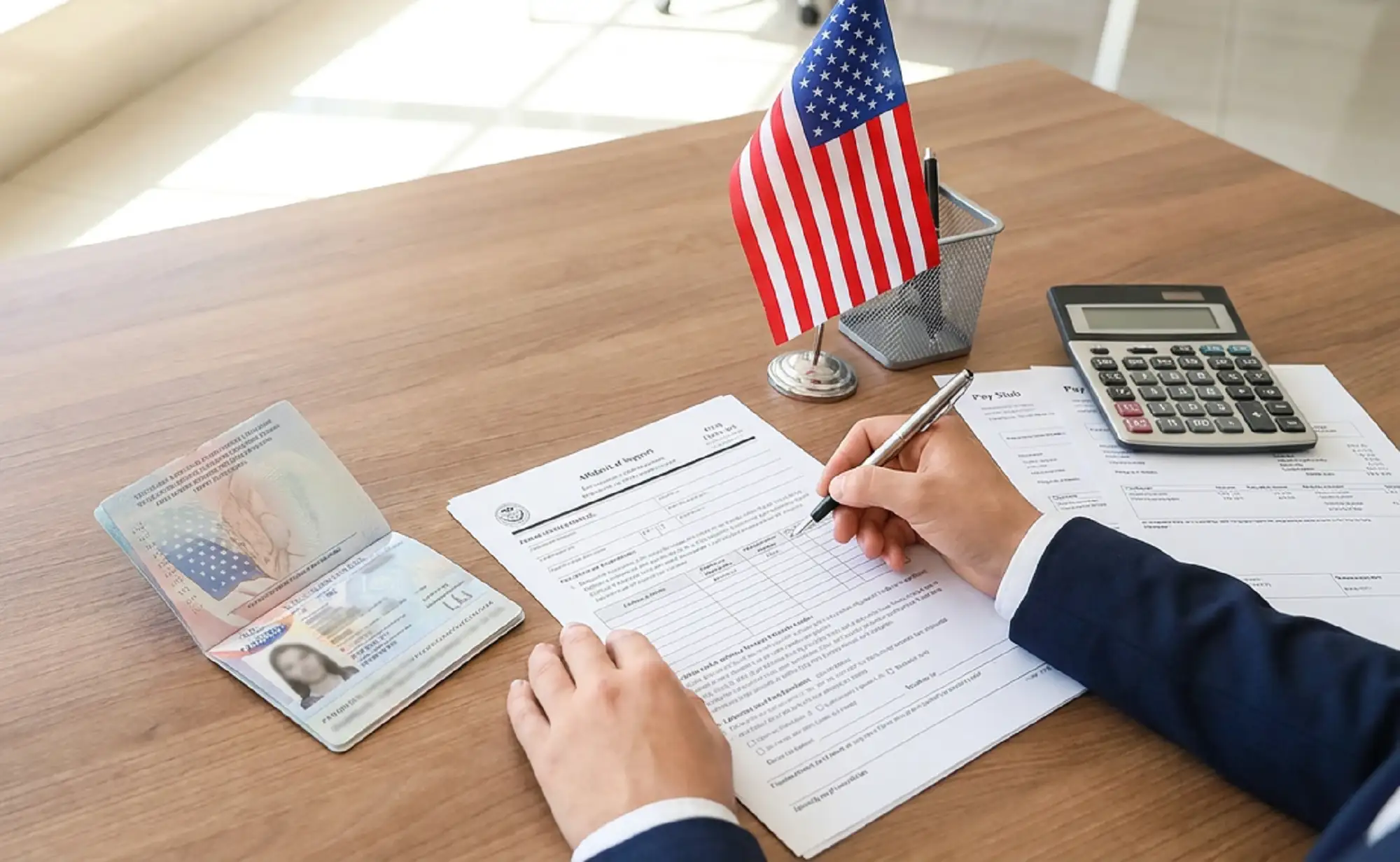
If you are waiting on a marriage-based green card or another family immigration benefit, USCIS processing times are probably the first thing you check in the morning. The wait can feel abstract until it is your case. This guide breaks down current I-130 and I-485 timelines, explains what actually moves those numbers up or down, and shows you how to read the official USCIS tools so you can plan with real data.
How USCIS Measures and Publishes Processing Times
USCIS publishes two key figures for every form type: the median processing time (how long it took to complete 50% of cases) and the time by which 80% of cases are finished. Both numbers come from the official USCIS processing time tool on their website, which is updated weekly. A separate historical tool at the same portal lets you pull data going back several years, so you can see how times at your specific service center have moved over time.
These numbers are office-specific, not national averages. A petition sent to the Nebraska Service Center will show a different timeline than one at the Potomac Service Center, even for the same form type. The lockbox address on your filing instructions determines which service center receives your case; USCIS then routes it internally based on workload.
Current I-130 Processing Times in 2026

Form I-130, Petition for Alien Relative, is the starting point for most family-based immigration cases. The USCIS processing time tool shows that times differ dramatically based on the petitioner's status and their relationship to the beneficiary.
Immediate Relatives of U.S. Citizens
Spouses, parents, and unmarried children under 21 of U.S. citizens fall into the immediate relative category. These cases are not subject to annual visa caps, which means no waiting in a preference queue once the I-130 is approved.
As of early 2026, the USCIS processing time for this category is approximately 14 to 15 months across most service centers. Cases filed concurrently with Form I-485 (adjustment of status) are often resolved faster, sometimes in 8 to 12 months, depending on the Chicago Field Office's caseload.
Family Preference Categories
Relatives outside the immediate relative category face much longer waits because annual visa numbers are capped by law. Here is the current picture for each preference tier:
For preference categories, the I-130 petition approval is only the first milestone. The beneficiary must then wait for their priority date to become current in the monthly DOS Visa Bulletin before they can move forward. This wait can run many years beyond the petition approval itself.
I-485 Processing Times: Adjustment of Status in 2026
Form I-485, Application to Register Permanent Residence or Adjust Status, is the form used by people already inside the United States to apply for a green card. The Chicago Field Office handles I-485 cases for the Chicago metro area.
For family-based filings processed at the Chicago Field Office, current times generally run 8 to 12 months when filed concurrently with an approved I-130 in the immediate relative category. Cases with pending RFEs or those that require an interview add additional months to that range. Employment-based I-485 filings are tracking at roughly 7 months nationally as of early 2026, though Chicago-area cases may vary.
The USCIS processing time tool lets you filter by form and by office so you can see the exact current figure for Chicago. Always check the official USCIS tool rather than relying on estimates posted elsewhere, because the numbers shift week to week.
What Moves Processing Times Up or Down?
Processing times are not random. Several documented factors drive them in a predictable direction, and knowing those factors helps you read the trends correctly.
Service Center Workload and Staffing
USCIS operates multiple service centers: California, Nebraska, Potomac, Texas, Vermont, and the National Benefits Center. No fixed, state-by-state jurisdiction assignment exists; routing depends on form type, petitioner location, and USCIS's internal distribution decisions.
Centers with higher caseload volumes or staffing gaps process cases more slowly. When USCIS redistributes caseloads, a petition can even be transferred to a different center mid-process, which can add weeks.
Policy Shifts and Enforcement Changes
Regulatory changes directly affect timelines. In 2025, USCIS issued updated guidance on family-based immigration eligibility and interview requirements. In March 2026, USCIS announced stronger screening and vetting protocols for pending and incoming applications. These updates mean officers must now spend more time on each file, which extends average processing durations across the board. The USCIS policy manual is the authoritative source for current procedural requirements.
Application Volume Surges
Filing surges reliably slow processing. They happen when USCIS announces fee increases (applicants rush to file at the lower rate), when immigration reform legislation appears likely, and around significant policy announcements. USCIS processed nearly 11 million case filings in fiscal year 2024 and managed to reduce its overall backlog by roughly 15% that year, but volume upticks in 2025 partially reversed those gains for some form types.
Requests for Evidence
A Request for Evidence (RFE) effectively pauses a case. USCIS stops processing, sends the notice (taking one to two weeks in transit), and then you have up to 84 days to respond. After your response arrives, USCIS must review it, which can take additional weeks or months. The total delay per RFE typically adds three to six months to a timeline. Missing documents, unclear evidence of a bona fide relationship, and inconsistencies on forms are the most common RFE triggers and are largely preventable.
Priority Date and Visa Bulletin Movement
For preference category cases, the DOS Visa Bulletin is as important as USCIS processing times. Even after an I-130 is approved, the beneficiary cannot file an I-485 or proceed through consular processing until their priority date is current. When the Visa Bulletin retrogresses (moves the cutoff date backward), cases that were almost ready can be delayed by months or years.
Historical Context: How Times Have Shifted
Looking back helps calibrate expectations for what is coming.
- 2015-2018: I-130 for immediate relatives averaged 6 to 12 months at most service centers. Backlogs were manageable.
- 2019-2021: The combination of policy changes, fee litigation, and COVID-related field office closures pushed average I-130 times to 12 to 20 months. I-485 interview delays were severe.
- 2022-2024: USCIS set internal processing cycle time goals, targeting six months for I-130 immediate relative cases and I-485 filings. By February 2024, the agency had reduced its overall backlog for the first time in over a decade.
- 2025-2026: Some form types (notably I-129F fiancé petitions) saw rising times in fiscal year 2025, while N-400 naturalization hit its fastest pace since 2016. Heightened screening requirements introduced in early 2026 added review time across family-based categories.
The USCIS historical processing time tool lets you pull office-level trend data and compare current times to any prior fiscal year period.
How to Check and Track Your Case
USCIS provides two distinct tools that serve different purposes, and using both gives you the clearest picture of where your case stands.
USCIS Processing Times Tool
USCIS has an Online Processing Times Tool, where you select your form type and the office handling your case. The tool shows the 80th percentile processing time and a "receipt date for case inquiry" cutoff. If your filing date falls before that cutoff, you are eligible to submit a formal case inquiry through the USCIS Contact Center.
USCIS Case Status Online
On the USCIS Online Case Status Page, you can enter the 13-character receipt number from your I-797 notice to see the current status of your specific case. Creating a free account at my.uscis.gov adds email or text alerts whenever your case moves to a new status.

What to Do When a Case Runs Long
If your filing date predates the published inquiry cutoff and your case has not moved, you can submit a case inquiry online, call the USCIS Contact Center at 1-800-375-5283, or request an InfoPass appointment at your local field office. An immigration attorney can help determine which approach is appropriate and draft a clear inquiry that identifies the right service center contact.
Steps That Keep Your Case Moving
You cannot control service center workload or policy shifts. However, you can control the quality of your submission.
- File completely: The single most effective way to avoid delays is submitting all required supporting documents with the initial petition.
- Use current form editions: USCIS enforces edition cutoffs and rejects older versions. Check USCIS.gov for the current edition before printing any form.
- Pay the correct fee: USCIS updated certain fees in 2025 and announced additional adjustments for 2026. A check for the wrong amount will result in a rejection.
- Keep your address current: Missed notices because of an outdated address can result in automatic denials. Update through your USCIS online account or by filing Form AR-11 within 10 days of a move.
- Respond to RFEs promptly: Do not wait until the deadline. A fast, complete response minimizes the added processing time. If you receive an RFE, an attorney can help you identify exactly what USCIS is asking for and structure the response.
- File concurrently when eligible: Immediate relatives who are already in the United States and have valid status can file I-130 and I-485 together. Concurrent filing often cuts months off the overall timeline.

How SimVisa Helps Chicago Applicants Stay Ahead of USCIS Timelines
USCIS processing times shift constantly, and a case that looks straightforward at filing can run into delays at any stage. SimVisa, a Chicago-based immigration law firm founded by SohYoon Atac, works with clients on the exact case types where processing time matters most: marriage-based green cards, concurrent I-130 and I-485 filings, and family-sponsored petitions where priority dates and Visa Bulletin movements determine the pace.
Contact SimVisa today to review your timeline and build a filing strategy that accounts for current processing realities. Past results do not guarantee future outcomes.