DHS Terminates Family Reunification Parole Programs
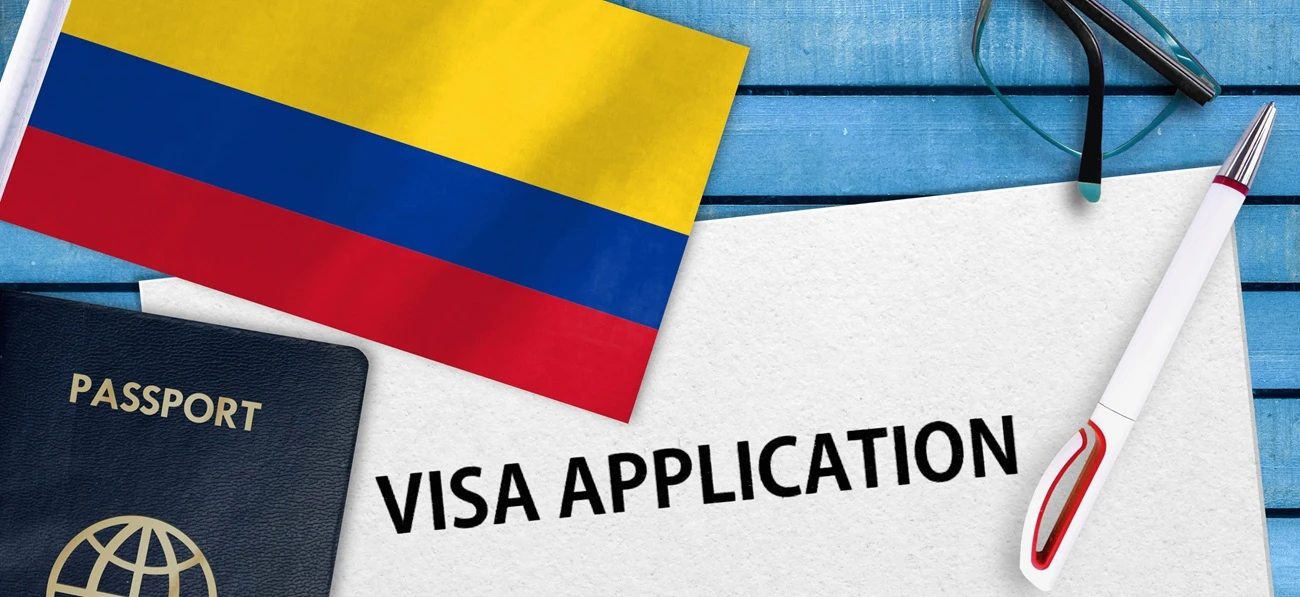
DHS (via USCIS) announced it is terminating all categorical Family Reunification Parole (FRP) programs for nationals of Colombia, Cuba, Ecuador, El Salvador, Guatemala, Haiti, and Honduras, plus their immediate family members. The practical effect is that people who previously could be paroled into the U.S. to wait here (often after an approved family petition) will now be pushed back toward consular processing and standard immigrant-visa queues, unless they qualify for individual, case-by-case parole.
The termination is now reflected in the Federal Register, which states DHS is terminating the FRP programs as of December 15, 2025, and that for individuals already paroled under FRP whose parole has not expired by January 14, 2026, parole will terminate on that date. NBC Miami’s coverage also highlights the same key deadline: if a person’s FRP parole has not expired by January 14, 2026, DHS says it will end then and the person should depart before that date.
One of the most important “fine print” details surfaced by AILA: it reports that parole under these programs will expire on January 14, 2026 unless the individual has a pending Form I-485 that was postmarked or e-filed before December 15, 2025. In other words, the ability to keep working a case inside the U.S. may hinge on whether an adjustment filing is pending by that cutoff (when eligible). Advocacy/legal groups have been publishing practical explainers on the consequences and timing; for example, Justice Action Center summarizes how the Federal Register notice interacts with pending I-485 filings and the January 14 termination date.
USCIS “Increases Screening” for People Authorized to Work
USCIS announced it is reducing the maximum validity period of certain Employment Authorization Documents (EADs) as part of what it describes as increased screening and vetting of “aliens working in the U.S.” The agency’s stated logic is straightforward: shorter EAD validity leads to more frequent renewal touchpoints, which leads to more frequent vetting, which USCIS says helps deter fraud and detect people it believes may have harmful intent.
This is not happening in isolation. A day later, USCIS also announced it is establishing a new USCIS Vetting Center, describing it as a structural move to “centralize” enhanced vetting and strengthen screening. And major outlets have connected this broader security-and-enforcement posture to other recent changes: for example, The Washington Post reported the administration was significantly restricting work-permit validity in several categories (from multi-year periods down to shorter terms) and framed it as part of a wider shift toward tighter controls.
Critics, meanwhile, warn that “more frequent vetting” can function as a bureaucratic throttle: increasing renewal volume, adding friction for employers and applicants, and raising the risk that backlogs or administrative error push people into gaps in work authorization. LAist, for example, quotes Migration Policy Institute’s Julia Gelatt describing the administration as reaching “deeper into the weeds” of immigration policy in ways that could slow legal immigration.
USCIS Tightens Photo and Identity Verification Requirements
USCIS also updated its photo and identity verification standards to limit the reuse of previously submitted images and require more recent, compliant photographs. Under the revised guidance, USCIS places greater emphasis on photographs captured through USCIS or authorized collection processes, rather than older images already on file. The agency says the update is intended to strengthen identity verification and reduce fraud, but it may require some applicants to complete additional steps if their existing photos no longer meet current requirements.
The change was issued through a Policy Manual update and applies across multiple benefit types, as USCIS focuses on tightening documentation and identity standards during routine benefits processing.
USCIS Clarifies Biometrics Policy for Applicants in ICE Custody

USCIS updated its Policy Manual to clarify that, in most cases, the agency is not required to collect biometrics from individuals who are in ICE custody and have pending immigration benefit applications. This clarification affects detained applicants whose cases depend on biometrics completion as part of the adjudication process.
The American Immigration Lawyers Association (AILA) noted that the update clarifies that DHS has no obligation to collect biometrics from detained immigrants with pending benefits unless they meet the criteria above — and that missed biometrics appointments in detention can lead to cases being treated as abandoned.